
Choosing the right employer branding agency is one of the more consequential decisions a talent acquisition or HR leader will make this year.
Your employer brand shapes whether candidates apply, whether employees stay, and whether your organization is remembered as a place people want to build a career. Yet the market for employer branding support is crowded, spanning boutique storytelling studios, research-driven consultancies, global technology platforms, and full-service HR transformation practices inside the world’s largest professional services firms.
This guide breaks down 15 agencies and consultancies active in employer branding today, what each one tends to focus on, and how to think about matching a provider to your organization’s size, industry, and goals.
Whether you are launching your first employee value proposition or refreshing a global recruitment marketing strategy, understanding the range of available partners will help you ask sharper questions and make a more confident decision.
What Does an Employer Branding Agency Actually Do?
Before comparing providers, it helps to define the work itself. A strong employer branding agency typically supports organizations across several connected disciplines.
Employer brand strategy and research come first. This includes interviewing employees and leaders, benchmarking against talent competitors, and identifying what makes an organization genuinely different as a place to work.
From there, most agencies help define or refine an employee value proposition, the core promise an organization makes to its current and future workforce about what they will experience in return for their contribution.
Creative development follows, translating strategy into visual identity, messaging, and a consistent brand voice. Many agencies then move into content production, including video, photography, and written storytelling that brings the culture to life for candidates. Recruitment marketing activation, career site design, social media strategy, and paid media campaigns often round out the offering.
Some providers also measure and track employer brand perception over time, using surveys or external data sources to show whether a brand is strengthening or weakening in a competitive talent market.
The strongest partners connect this external-facing work to what employees actually experience once hired, since a mismatch between the promise and the reality tends to undo any employer branding investment quickly.
→ Not sure whether your current employer brand reflects what your employees actually experience? Connect with the Nexus team to talk through where the gaps might be.

How to Evaluate an Employer Branding Agency
Every organization has different needs, but a few criteria tend to matter across the board.
Industry and audience experience. An agency that has worked extensively in financial services, healthcare, manufacturing, or the public sector understands the regulatory pressures, workforce demographics, and recruiting challenges specific to that world. This shortens ramp-up time considerably.
Scope of capability. Some agencies specialize narrowly in one piece of the puzzle, such as research, storytelling, or technology. Others deliver end to end, from strategy through creative production and ongoing activation. Neither approach is inherently better, but it should match what your internal team can and cannot do on its own.
Integration with employee experience. The best employer brand work does not stop at the candidate stage. It connects to onboarding, internal communications, recognition, and the broader employee experience, so the brand promise holds up once someone actually joins the organization.
Size and delivery model. A large enterprise with a distributed global workforce may need a partner with scale, established platforms, and international delivery capability. A mid-market organization may be better served by a more hands-on boutique consultancy that can move quickly and work closely with a lean internal team.
Measurement. Ask how a prospective partner defines and tracks success. Strong candidates for the role will point to specific metrics such as application quality, offer acceptance rates, employee retention, or shifts in external brand perception data.
→ Wondering which of these factors matters most for your organization’s size and industry? Reach out to Nexus to talk through your specific hiring and retention goals.
15 Employer Branding Agencies and Consultancies to Know
The following organizations represent a cross-section of the employer branding market, from boutique creative studios to global technology platforms and enterprise consulting practices. Each brings a distinct approach worth understanding as you build your shortlist.
Nexus
Website: nexuscommunications.com/
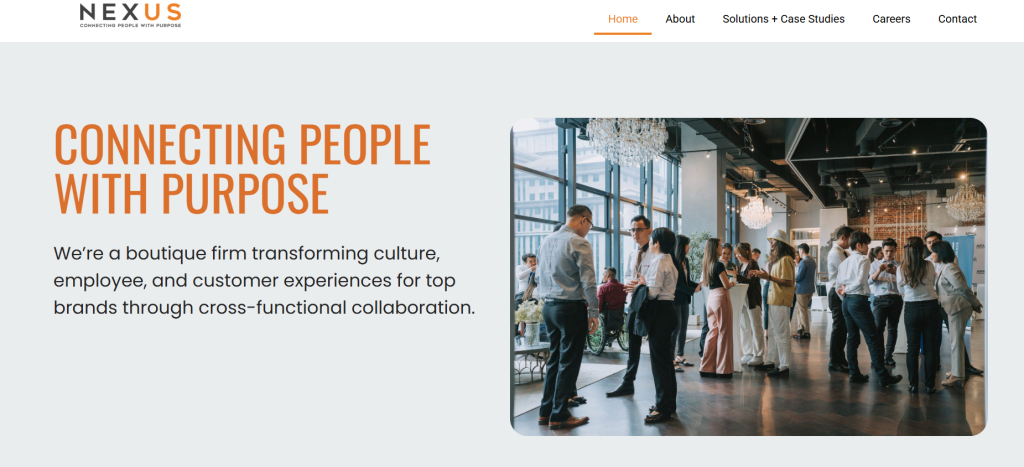
Nexus is a Canadian employee experience and communications consulting firm that approaches employer branding as one part of a broader employee lifecycle strategy. Rather than treating candidate attraction as a standalone marketing exercise, Nexus connects employer branding work to internal communications, onboarding, learning, recognition, and change management, so the promise made to candidates matches what employees actually experience after they join.
The firm’s talent attraction consulting practice includes employer brand audits, EVP development, candidate experience design, and recruitment marketing content, often supported by in-house video and storytelling production. Nexus works across financial services, healthcare, manufacturing, retail, and public sector organizations throughout North America, and its integrated approach tends to appeal to HR and communications leaders who want a strategic partner rather than a single-project vendor.
Because Nexus also handles internal and change communications, organizations going through significant transformation often find it easier to keep employer brand messaging aligned with what is happening inside the business at the same time.
Blu Ivy Group
Website: bluivygroup.com/
Blu Ivy Group is a Toronto-founded employer branding and employee experience consultancy with offices across Canada and the United States. The firm is known for combining employer brand strategy and EVP development with an award-winning creative studio, producing recruitment marketing campaigns, employer brand videos, and social content designed to connect emotionally with candidates and employees.
Blu Ivy also offers a proprietary Employer Brand and Culture Index, giving clients a dashboard to measure awareness, preference, loyalty, and experience over time. Organizations looking for a data-informed, creative-forward partner with deep Canadian and North American experience often find Blu Ivy a strong fit.
Envol Strategies
Website: envolstrategies.com/
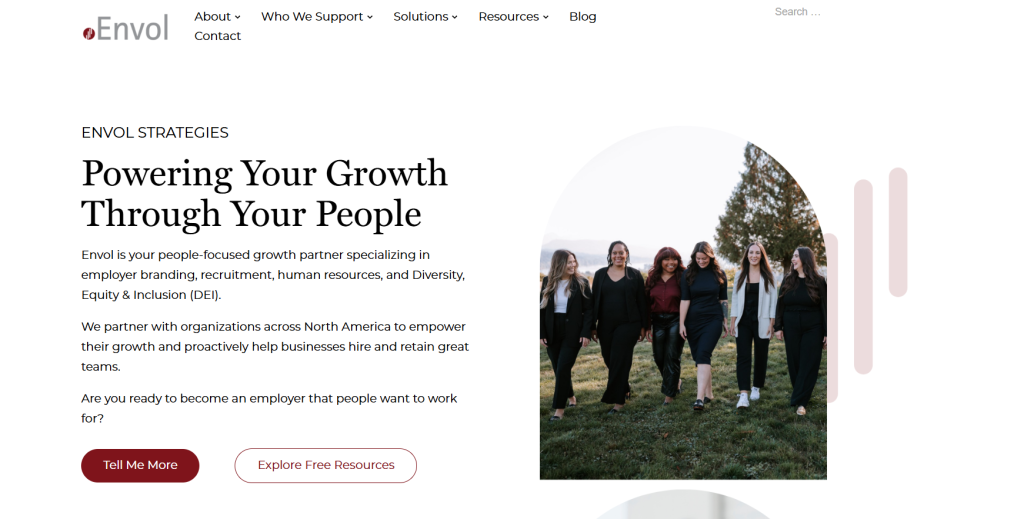
Envol Strategies is a Canadian people and culture consultancy that blends employer branding with broader human resources services, including recruitment, diversity and inclusion, and leadership training.
The firm’s employer branding work typically begins with a digital brand audit covering content, career site experience, and social presence, followed by brand story and visual identity development. Envol tends to suit small and mid-sized businesses looking for a single partner who can support employer branding alongside day-to-day HR needs, rather than a narrowly scoped creative engagement.
Oxenham Consultants
Website: oxenham.com/
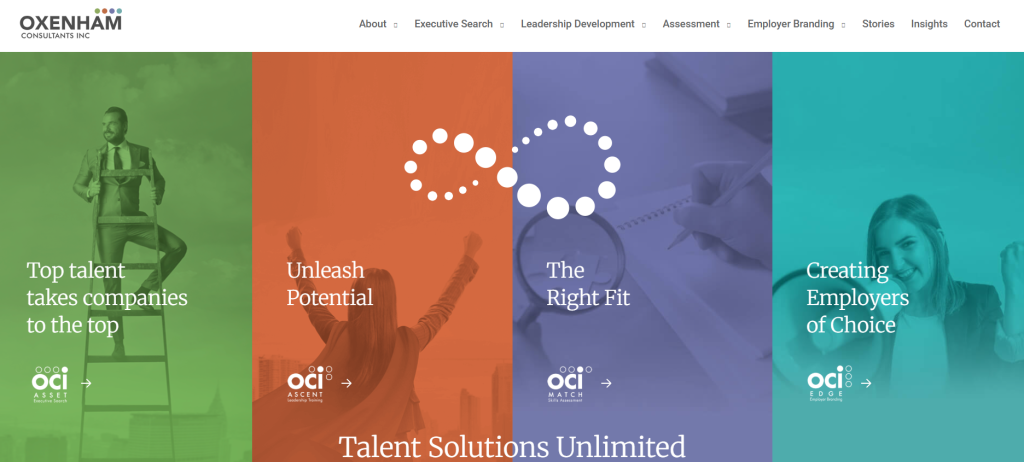
Oxenham Consultants is a Toronto-based talent management firm built around what it calls Talent Stewardship, spanning executive search, leadership development, and employer branding under one roof. Employer branding at Oxenham is positioned as part of a wider talent strategy that includes psychometric assessment and succession planning.
This makes the firm a reasonable option for organizations that want employer brand guidance delivered alongside executive recruitment and leadership development, rather than as a purely creative or marketing-led service.
→ Comparing boutique consultancies against larger platforms for your next employer brand project? Talk to Nexus about what scope of support actually fits your team.
Stories Incorporated
Website: storiesincorporated.com/
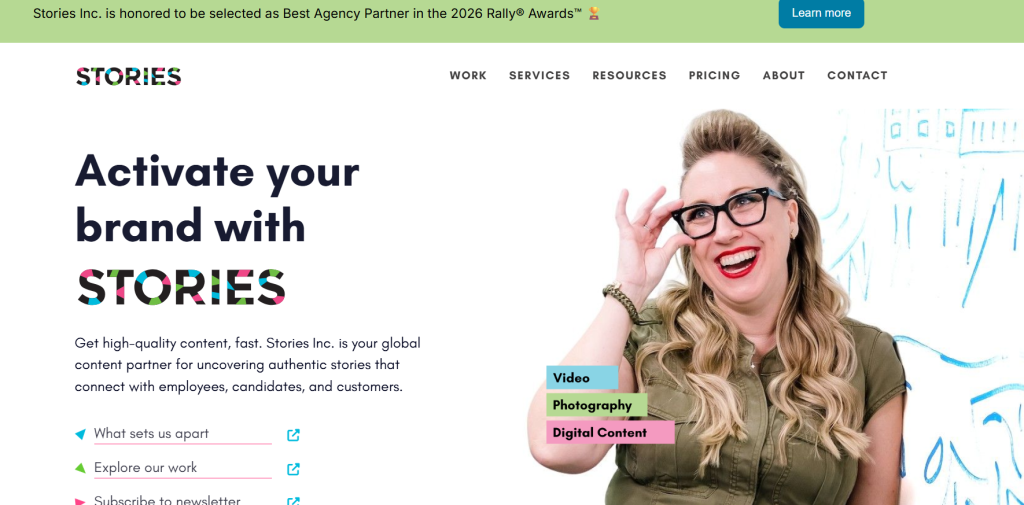
Stories Incorporated is a content agency built specifically around employee storytelling. Rather than leading with strategy or brand identity, the firm’s core offering is uncovering authentic employee stories through interviews and turning them into video, photography, and written content for career sites, social channels, and recruitment marketing campaigns.
Stories Inc. works with large, complex organizations and technology companies in particular, and is often brought in by employers that already have an employer brand strategy in place but need a high-volume, high-quality content engine to activate it.
Accenture
Website: accenture.com/gb-en/services/talent-organization/hr-transformation
Accenture’s HR transformation and talent practice operates at enterprise scale, helping large multinational organizations redesign talent strategy, workforce planning, and employee experience as part of broader digital and operating model transformation. Employer branding within Accenture’s offering tends to sit inside a much wider HR technology and organizational design engagement rather than standing alone as a discrete service.
Organizations already working with Accenture on enterprise HR systems or workforce transformation may find it efficient to extend that relationship into employer brand strategy, though the scale and cost structure typically suit only the largest global employers.
Deloitte HR Services
Website: deloitte.com/uk/en/services/consulting/services/hr-transformation.html
Deloitte’s HR transformation consulting practice similarly addresses employer branding as one component of large-scale human capital strategy, alongside HR technology implementation, workforce planning, and organizational design. Deloitte brings deep sector expertise and global delivery capability, which appeals to multinational organizations managing complex, multi-market talent challenges.
As with Accenture, employer branding here is generally positioned within a broader consulting engagement rather than offered as a standalone creative service, so it tends to be the right fit for organizations already undergoing enterprise-wide HR change.
Universum
Website: universumglobal.com/
Universum is a global research and advisory firm based in Stockholm that has specialized in employer branding since 1988. The company runs the world’s longest-running annual talent survey, gathering data from students and professionals across dozens of countries to produce its World’s Most Attractive Employers rankings and broader talent insight reports.
Universum’s strength lies in research and benchmarking, helping organizations understand how they are perceived relative to talent competitors before building strategy and communications on top of that data. Organizations that want a research-first, globally benchmarked view of their employer brand often turn to Universum as a starting point.
TalentMap
Website: talentmap.com/
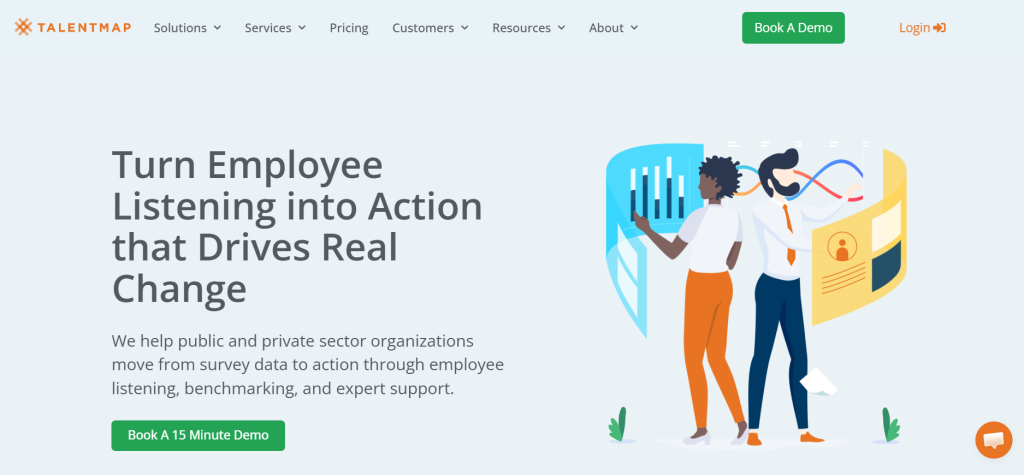
TalentMap is a North American employee engagement survey and workplace culture measurement firm. Rather than building employer brand creative or campaigns, TalentMap focuses on the internal side of the equation, helping organizations design and deploy engagement surveys, benchmark culture, and build action plans based on employee feedback.
For employer branding specifically, this makes TalentMap most valuable as a complement to a creative or strategic partner, providing the internal data that confirms whether the employee experience actually supports the external brand promise.
→ Curious how internal engagement data connects to your external employer brand? Connect with Nexus to explore how the two should work together.
Human Magic

Website: humanmagic.com/
Human Magic is a global employer brand agency, formerly known as Ph.Creative, with a strong creative reputation built through work with well-known technology and consumer brands. The agency focuses on employer value proposition development, recruitment marketing, and creative campaigns, and has grown through acquisition to expand its reach across Europe, North America, the Middle East, and Australia.
Organizations looking for a creative-led, globally minded employer brand agency with experience serving large, recognizable employers may find Human Magic a relevant option, particularly for campaign-driven work aimed at younger talent audiences.
Radancy
Website: radancy.com/
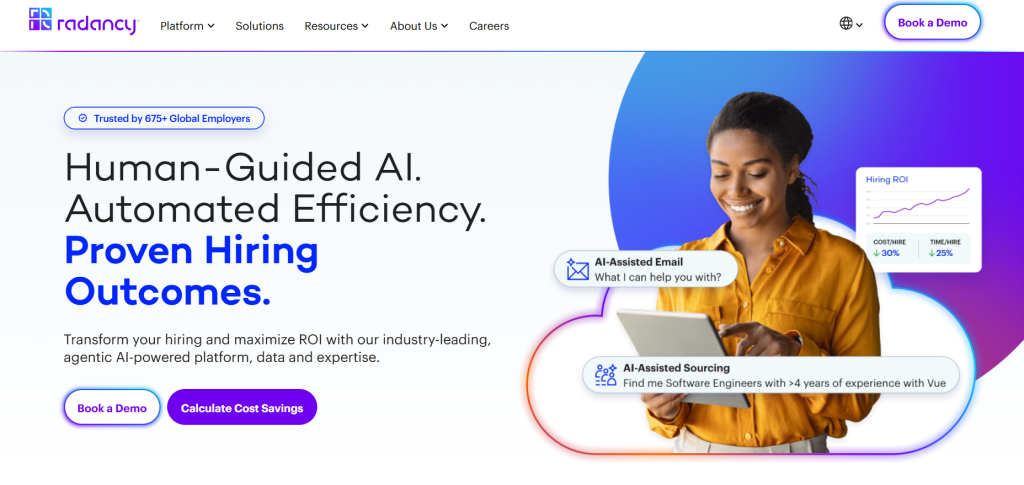
Radancy operates the Radancy Talent Acquisition Cloud, a technology platform that combines career site infrastructure, programmatic advertising, candidate relationship management, and AI-driven analytics with employer branding and EVP development services. Originally built as a recruitment advertising agency, Radancy has evolved into a full talent acquisition software company, giving it a distinctive position among employer branding providers.
Enterprise organizations managing high-volume hiring across many locations, and who want employer brand creative tightly integrated with the technology that delivers it, often gravitate toward Radancy.
StoryMiners
Website: storyminers.com/
StoryMiners is a customer and employee experience design agency built around storytelling and journey mapping rather than employer branding specifically. The firm’s core practice centers on designing signature customer experiences for retail, hospitality, healthcare, and professional services organizations, with employee experience design treated as a connected but secondary offering.
Organizations that want to address employer brand and customer experience together, viewed through a shared storytelling lens, may find StoryMiners a useful specialist to consider alongside a dedicated employer branding partner.
Link Humans
Website: linkhumans.com/
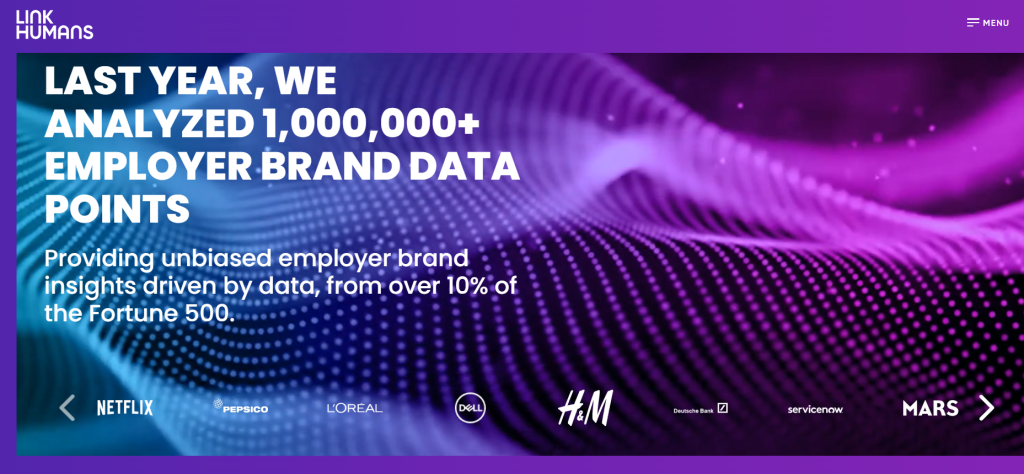
Link Humans is a London-based employer brand research and reputation consultancy, independent since 2009. The firm’s signature offering is its Employer Brand Index, which benchmarks employer reputation across more than 100 external sources and sixteen attributes, giving organizations a data-driven view of how they are perceived externally compared to talent competitors.
Link Humans tends to appeal to organizations that want ongoing, quantifiable measurement of employer brand health rather than a one-time strategy or creative project.
Muse Marketing Group
Website: musemarketinggroup.ca/
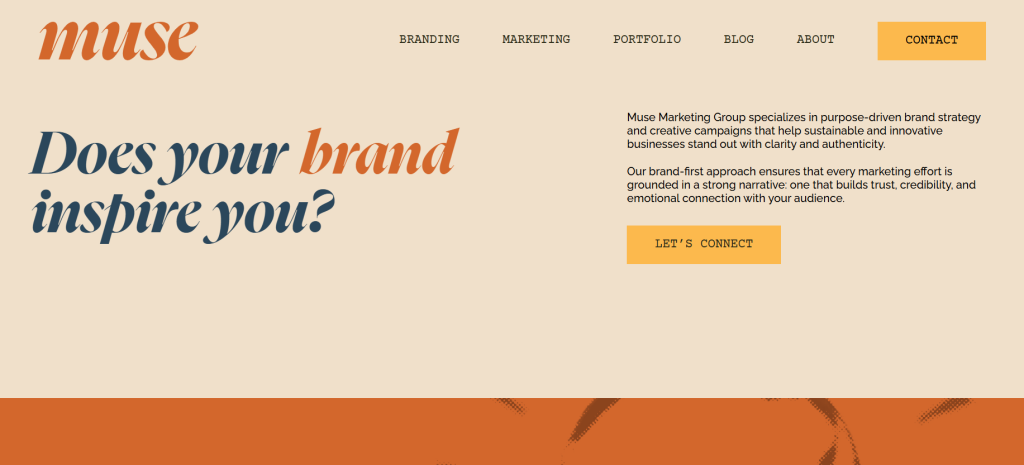
Muse Marketing Group is a Hamilton, Ontario branding and marketing agency serving small and mid-sized businesses across a range of industries. While not exclusively focused on employer branding, Muse supports brand strategy, identity development, and content that can extend into employer brand positioning for organizations that need broader marketing support alongside talent-facing communications.
This makes Muse a reasonable option for smaller organizations without the budget for a specialized employer brand agency, provided they are comfortable folding that work into a general branding engagement.
Talent Works
Website: talent-works.com/
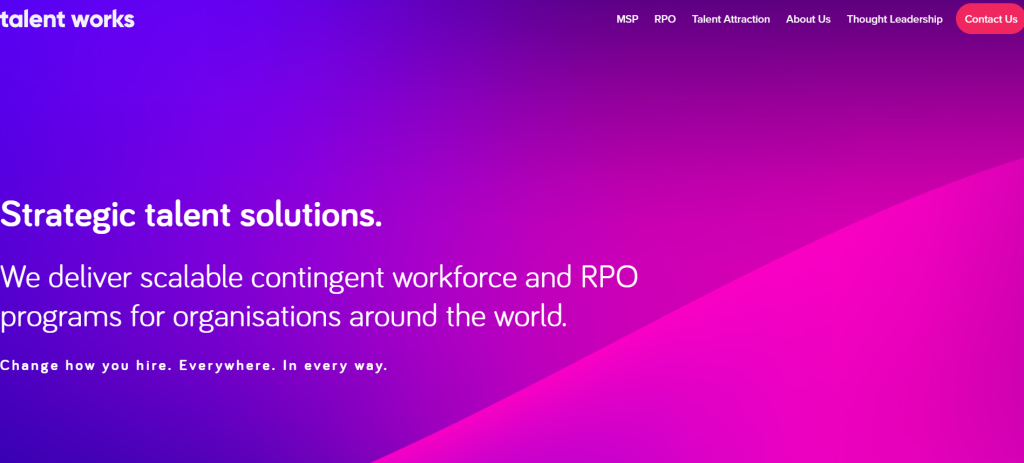
Talent Works, part of the TXM Group, is a UK-headquartered talent solutions provider that combines employer brand development with recruitment process outsourcing and recruitment marketing.
The firm positions candidate experience at the center of its work, blending brand building with agile RPO delivery for organizations hiring at meaningful volume across multiple markets. Talent Works tends to suit organizations that want employer branding delivered as part of a broader outsourced recruitment relationship rather than as a standalone strategic or creative engagement.
→ Still weighing whether a bundled recruitment and branding partner or a dedicated communications consultancy is the better fit? Get in touch with Nexus to talk through the trade-offs.
Boutique Consultancies vs Global Platforms
One pattern worth noting across this list is the range in scale and specialization. Boutique firms such as Envol Strategies, Muse Marketing Group, and StoryMiners typically offer closer collaboration, faster turnaround, and pricing more accessible to smaller organizations, though their bandwidth for large, multi-market programs is naturally more limited.
Research specialists like Universum and Link Humans bring rigor and external benchmarking that few generalist agencies can match, but they generally need to be paired with a creative or strategic partner to turn insight into an activated brand. Technology-driven platforms such as Radancy solve real operational problems for high-volume recruiters, though organizations without in-house creative capability may still need a content partner to fill campaigns with strong storytelling.
At the largest end, Accenture and Deloitte bring the resources and global reach to support multinational HR transformation, but their employer branding work is typically bundled within much larger consulting engagements, which may be more than a mid-market HR or talent acquisition team actually needs.
Firms positioned between these extremes, including Nexus, Blu Ivy Group, Human Magic, and Stories Incorporated, tend to offer a middle path. They bring enough strategic depth and creative capability to build a credible employer brand, delivered with the responsiveness of a dedicated team rather than a division of a much larger consulting practice.

Why Integration Matters When Choosing an Employer Branding Agency
A recurring theme across strong employer branding work is integration. An employer brand built in isolation from internal communications, onboarding, and employee engagement tends to create a gap between what candidates are promised and what employees actually experience once hired.
That gap shows up quickly in exit interviews, engagement survey results, and eventually in employer review sites, undermining the very investment meant to strengthen talent attraction.
This is where a firm like Nexus approaches the work differently than agencies that specialize narrowly in candidate-facing creative or campaigns.
Because Nexus also supports internal communications, leadership messaging, and organizational change, the employer brand strategy it builds is designed to hold up past the offer letter. The same narrative and visual identity used to attract candidates carries through into onboarding, recognition programs, and the everyday employee experience, reducing the risk of a brand promise that starts strong and fades within the first year.
For HR and talent acquisition leaders evaluating a shortlist of employer branding agencies, it is worth asking directly how each firm thinks about this connection. A strategy that lives only in recruitment marketing materials is far less durable than one built to travel across the full employee lifecycle.
→ Interested in how an integrated approach to employer branding could reduce turnover in your first year of employment? Connect with the Nexus team to discuss your current EVP and where the gaps might be showing up.
Industry Considerations Worth Factoring In
The right employer branding agency often depends heavily on sector. Financial services and healthcare organizations typically operate under compliance and regulatory constraints that shape what can and cannot be communicated publicly about roles, benefits, and workplace practices, so experience in those industries matters.
Manufacturing and retail employers frequently need employer branding that speaks to both frontline hourly workers and corporate talent, which requires messaging flexibility that not every agency handles well. Technology companies competing for specialized talent often prioritize speed, digital-first content, and a strong presence on platforms where passive candidates spend time. Public sector organizations face their own procurement processes and communication standards that favor partners experienced in that environment.
Asking a prospective agency for specific, relevant case examples in your sector, rather than a general portfolio, is one of the fastest ways to separate a partner who understands your context from one who is learning on your budget.
Building Your Shortlist
With 15 credible options across very different models, the right next step is narrowing based on your organization’s actual constraints rather than reputation alone. Start by defining whether you need strategy, creative production, research, technology, or some combination, since very few firms genuinely excel at all four.
Confirm the scale of delivery you require, from a single market launch to a multi-country rollout. Clarify your budget range early, since enterprise consultancies and boutique studios operate on very different pricing models. Finally, prioritize firms with direct experience in your industry and with organizations of a similar size, since that experience shortens the learning curve and reduces the risk of generic, ineffective messaging.
→ Ready to build a shortlist that actually fits your organization’s size, industry, and goals? Contact Nexus to start the conversation.

Conclusion
Selecting an employer branding agency is not a one-size-fits-all decision. Boutique consultancies, research specialists, technology platforms, and enterprise consulting practices each solve different pieces of the employer brand puzzle, and the right choice depends on your organization’s size, industry, budget, and internal capability.
What matters most is finding a partner whose approach extends beyond attracting candidates to shaping the employee experience they encounter once hired. Organizations that treat employer branding as connected to internal communications, onboarding, and culture tend to see stronger, more durable results than those that treat it as a standalone marketing exercise.
Nexus works with HR and talent acquisition leaders to build employer brand strategies designed for exactly that kind of staying power. Get in touch to see how Nexus can help your organization.
Employer Branding Agency: FAQs
What does an employer branding agency do?
An employer branding agency helps organizations define, build, and communicate their identity as an employer. This typically includes research and employee interviews, employee value proposition development, visual identity and messaging, recruitment marketing content, and campaign activation across career sites, social media, and paid channels.
How much does it cost to hire an employer branding agency?
Costs vary widely based on scope and provider type. Boutique consultancies and small agencies may charge a fraction of what global consulting practices like Accenture or Deloitte charge for HR transformation engagements that include employer branding. Most agencies scope pricing around specific deliverables such as strategy, creative development, or content production, so requesting a detailed proposal is the best way to compare costs accurately.
How long does an employer branding project usually take?
A focused employer brand strategy and identity project often takes three to six months from research through creative development. Larger, multi-market engagements involving extensive content production or technology integration can extend well beyond that, particularly for global organizations coordinating across many regions and languages.
What is the difference between employer branding and recruitment marketing?
Employer branding refers to the overall perception and reputation an organization holds as a place to work, built through strategy, values, and identity. Recruitment marketing refers to the tactical activation of that brand, including job advertising, career site content, and campaigns designed to convert candidate awareness into applications. Most agencies on this list offer some combination of both.
Should a small or mid-sized business hire an employer branding agency?
Smaller organizations can benefit significantly from employer branding support, particularly in competitive hiring markets, but often need a right-sized partner rather than an enterprise consultancy. Boutique agencies and consultancies that scale their approach to smaller budgets and teams tend to be a better fit than firms built primarily for multinational engagements.
How do I know if an employer branding agency is a good fit for my industry?
Ask for specific examples of work completed within your sector, not just a general portfolio. Agencies with direct experience in financial services, healthcare, manufacturing, retail, technology, or the public sector will understand the regulatory considerations, workforce makeup, and messaging nuances specific to that environment, which shortens the ramp-up period considerably.
Can an employer branding agency also help with employee retention?
Some can, particularly firms that connect employer brand work to internal communications, onboarding, and employee engagement rather than treating it purely as a candidate attraction exercise. Retention improves when the employer brand promise made during recruitment matches the actual employee experience, which requires a partner thinking beyond the point of hire.
What questions should I ask before hiring an employer branding agency?
Ask how the agency measures success, what industries and organization sizes they have worked with, whether they handle strategy, creative, and activation or specialize in one area, how they ensure the employer brand aligns with the internal employee experience, and what a realistic timeline and cost range look like for your specific goals.